
The Amaseikumor Deity in Gbaramatu Kingdom
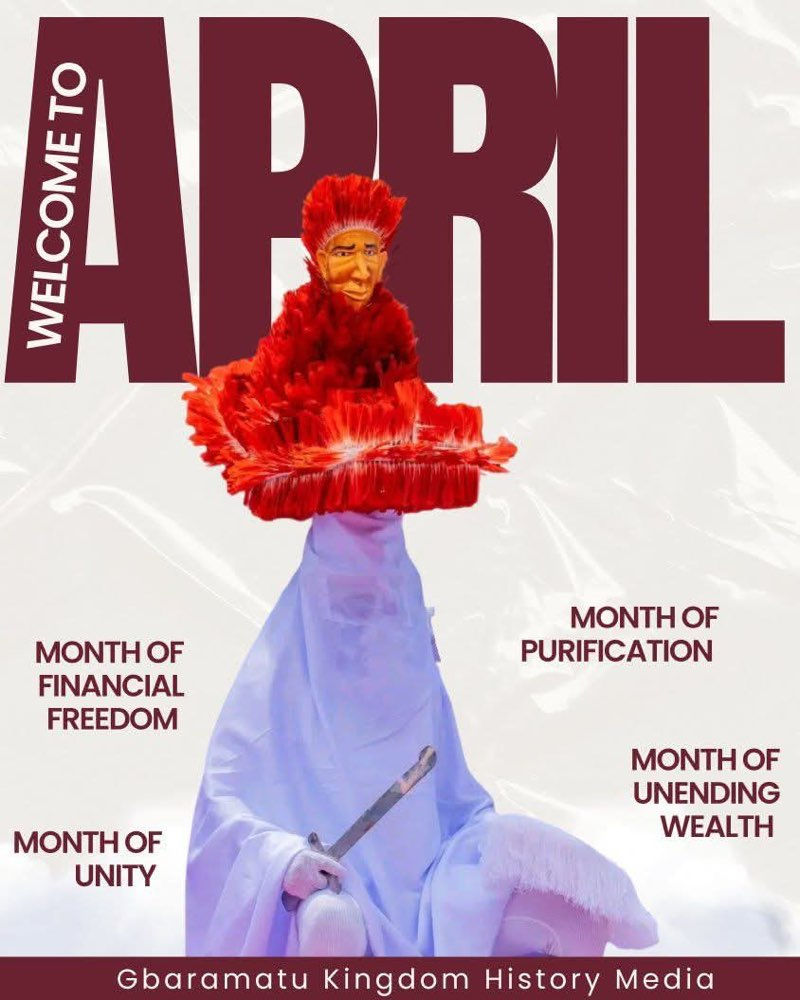
The Amaseikumor festival is an ancient and deeply revered annual celebration of the Ijaw people of the Gbaramatu Kingdom in Delta State, Nigeria.
It is a multi-day event rooted in the "dim past" of history, embodying a spiritual revival and a renewal of hope, joy, and spiritual refreshment for the community.
The Deity: Amaseikumor
At the heart of the festival is the Amaseikumor deity, a powerful and angelic spirit being. This deity is not limited by time or distance and is believed to anchor a potent energy in Gbaramatu, which then flows to all Ijaw communities, Nigeria, and the entire world.
The deity is represented in the physical world by a masquerade, a beautiful and elaborate mask that serves as a physical anchor for the spirit's energy. This energy, described as a "prince of light," is closely connected to the elemental forces of nature, including water, land, air, and the sun.
Spiritual Significance and Purpose
The festival is a time of profound spiritual cleansing and transformation. Its primary purpose is to dissolve negativity, sickness, and spiritual discord, transmuting them into "nothingness" and sending them back to a "divine ocean of love and mercy." The cardinal pronouncement of Amaseikumor is "Ominiba-aye-afa," which means "there is no more slavery," signifying liberation from various forms of bondage, including poverty, sickness, and depression.
Amaseikumor Festival is a Seven days festival featuring these deities
1. Ibolomorbo-Ere Day; This is the day of Ziba-Opuoru, Mother Earth, Keni idou ke owo zi yin, meaning the mother who gives feeds the earth with her breast.
This is Symbolic day for the ancient Gbaramatu Kingdom signifying the approval of mother earth to commune with the spirits and keep everyone safe during this time.
2. Gbaraun Egbesu Day; Gbaraun Egbesu, Who is the diety of protection and one standing against oppression and slavery. This is a day dedicated to him.
3. Day of Amaseikumor; The king of all Masquerade, who appears from the forest on the last Day. The deity of Fruitfulness, Wealth and prosperity.
The festival brings about several positive outcomes for those who participate:
Joy and hope: It is a source of joy for the sad and hope for the hopeless.
Healing: It is believed to bring healing to the sick.
Prosperity: It can lead to financial stability and promotion at work.
Unity: The festival unites the entire Ijaw nation, as people from various Ijaw communities gather to pray for the common good, unity, and cleansing of the land.
Spiritual Principles and Beliefs
The Divine Presence: Ijaw spirituality believes in the presence of both the mother and father before the Supreme Being, whom they call Woyin, Tamara, Teimorwei, or Ayibaowei. God is seen as both male and female, representing the "two flames of spirituality."
The Father-Son Relationship: a parallel between the relationship of the Amaseikumor deity and the supreme mother Woyin to that of Jesus Christ and God the Father in Christianity. The explicitly state that Amaseikumor is the "Jesus Christ of the Ijaw Nation," carrying the same energy of redemption and light.
Absence of Witchcraft: A notable belief is the rejection of witchcraft, as it state, "Ijaw spirituality we don't believe in witchcraft."
Respect for Women: The spirituality emphasizes respect for women, who are not seen as "weaker vessels." Women are recognized for their immense power and energy, just as they were the first to see Jesus after his resurrection.
Confession and Cleansing: The festival involves confession of wrong doings, both individual and communal. The community believes that unresolved issues and sins can lead to sickness and other problems, which are addressed through appeasement and prayer.
Festival Program and Rituals
The festival is meticulously planned, with its dates determined by consulting with nature, including the moon, water, forest, and air spirits. This year, it coincided with the Christian Easter period.
The festival program includes:
Prayers, Supplications, and Rituals: The festival starts with rituals and prayers involving the elemental forces.
The Role of Women: The mother deity (Woyin) must be informed, and she blesses the festival, giving power to her son. Women participate in key events like the "Ogele" dance.
Ogele Dance: Men and women perform a traditional dance. Men go three times, followed by women four times, for a total of seven times, representing the "melogody of Ijaw spirituality."
Confession and Vows: People come to confess their sins, pay vows, and present petitions to Amaseikumor.
The Masquerade's Appearance: The climax is the appearance of the Amaseikumor masquerade—the "king of all masquerades" and "prince of light." This moment is marked by absolute silence, where everyone bends down to pray for themselves before the king gives a final grace.
Celebration: After the masquerade's appearance and return to the sacred forest, there is a jubilant celebration with dancing and rejoicing, marking the departure of sorrow and problems.
Some of the titles of Amaseikumor includes
Onimiba-aye-afa,
Dau-bei-bomini
Kponkpon feye mor toru bien Wei
Ogidiga
King of all Masquerade


Comments